Understanding Aircraft Performance: Key Factors That Affect Flight Efficiency
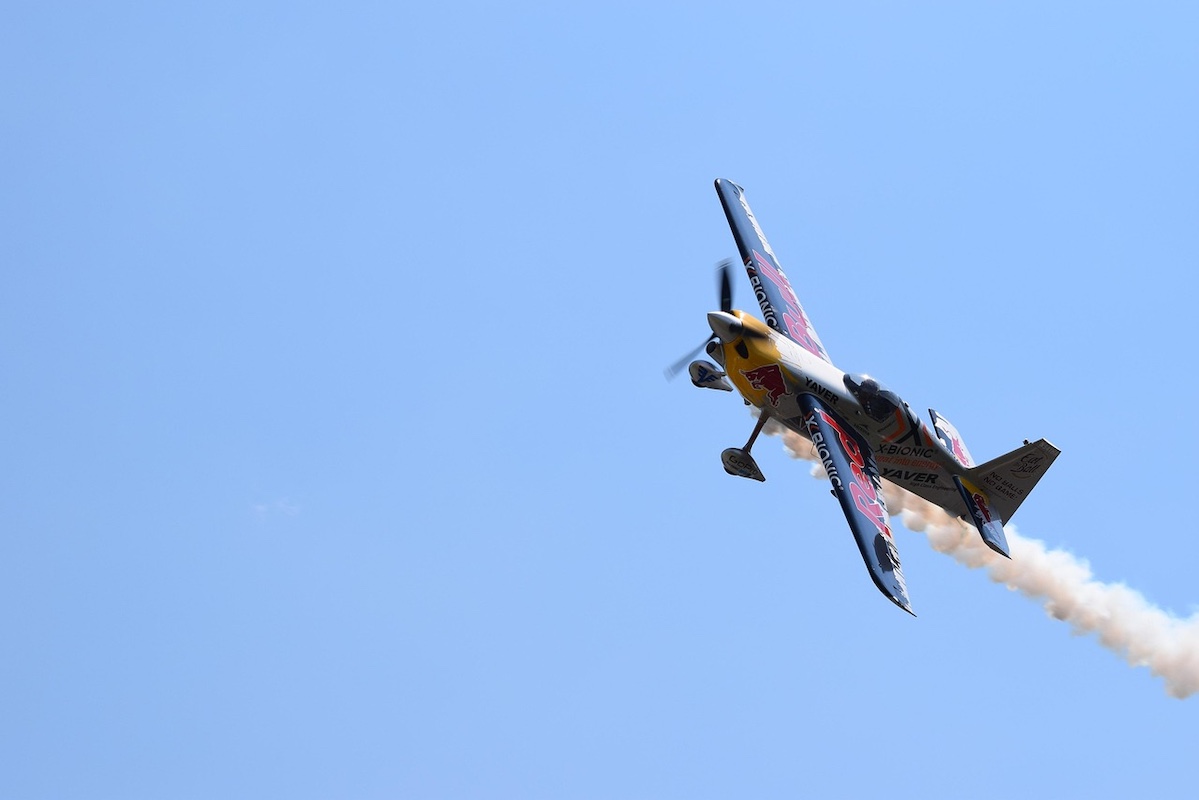
Aircraft performance is the heartbeat of aviation. It determines how far a plane can fly, how much it can carry, how quickly it can climb, and how efficiently it burns fuel. Whether you're a pilot, engineer, or aviation enthusiast, understanding the key factors that influence flight efficiency is essential to grasping the dynamics of modern flight.
At AviatorBlog.info, I’m breaking down the core elements that shape aircraft performance—and how engineers optimize them for safety, speed, and sustainability.
1. Weight and Balance
Weight is one of the most direct influences on aircraft performance. Every additional kilogram affects fuel consumption, takeoff distance, rate of climb, and overall range.
-
Empty Weight: The base weight of the aircraft including structure and systems.
-
Payload: Passengers, baggage, and cargo.
-
Fuel Weight: Directly tied to range and endurance.
-
Maximum Takeoff Weight (MTOW): Limits set for safety and structural integrity.
Equally critical is center of gravity (CG). An improperly balanced aircraft can reduce aerodynamic efficiency, slow response times, or even compromise control.
2. Aerodynamics: Lift vs. Drag
An aircraft's shape and surface features directly impact its aerodynamic efficiency.
-
Lift must always counteract weight. A well-designed wing produces lift with minimal drag.
-
Drag, on the other hand, resists forward motion and increases fuel burn. It includes:
-
Parasite Drag: Caused by aircraft skin, fittings, and antennas.
-
Induced Drag: From the production of lift—reduced by higher aspect ratio wings.
-
Wave Drag: Significant at transonic and supersonic speeds.
-
Modern aircraft employ winglets, laminar flow surfaces, and smooth fairings to minimize drag and improve fuel economy.
3. Engine Performance and Thrust
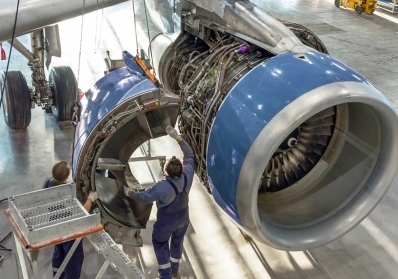
Engine efficiency defines how effectively fuel is converted into thrust. Key engine performance factors include:
-
Thrust-to-weight ratio: Higher values enable shorter takeoffs and faster climbs.
-
Specific Fuel Consumption (SFC): Measures fuel efficiency relative to thrust produced.
-
Altitude performance: Jet engines operate more efficiently at higher altitudes where air is thinner.
Modern high-bypass turbofans, such as those used in the Airbus A350 or Boeing 787, are optimized for lower fuel consumption and reduced noise.
4. Altitude and Weather Conditions
Altitude has a dual effect: thinner air reduces drag but also reduces engine thrust and lift.
-
Cruising at higher altitudes (typically 30,000–40,000 ft) is ideal for fuel savings.
-
Wind and jet streams can either boost or hinder efficiency depending on direction.
-
Temperature and pressure variations influence density altitude, affecting performance parameters like climb rate and engine output.
Aircraft performance charts and flight management systems take all these variables into account for optimal planning.
5. Flight Speed and Mach Number
Aircraft are designed for specific speed envelopes. Flying outside these can reduce efficiency or compromise safety.
-
Subsonic aircraft operate most efficiently at speeds near Mach 0.78–0.85.
-
Supersonic aircraft require specialized aerodynamic designs to manage shockwaves and high wave drag.
Fuel efficiency typically peaks at long-range cruise speed, which balances fuel burn and travel time.
6. Flight Profile and Operational Procedures
How an aircraft is flown can be just as important as how it’s built.
-
Climb and descent profiles affect how much fuel is burned.
-
Cruise altitude selection impacts drag and engine performance.
-
Continuous descent approaches (CDAs) and reduced-thrust takeoffs save fuel and reduce engine wear.
-
Single-engine taxiing and ground power usage minimize unnecessary fuel use on the ground.
Pilots, dispatchers, and flight management systems work together to apply these practices consistently.
7. Aircraft Configuration and Systems
Flight efficiency is also affected by configuration:
-
Flap and gear deployment increases drag significantly—used only when necessary.
-
Pressurization and air conditioning systems draw engine bleed air, affecting engine thrust slightly.
-
Wing sweep and variable geometry (in some aircraft) optimize performance across different speeds.
Efficient system management during all flight phases can result in meaningful fuel savings.
Flight efficiency is a complex interplay of design, environment, and operation. From the curvature of a wing to the fuel management algorithms onboard, every decision in aviation engineering aims to maximize performance without compromising safety.
At AviatorBlog.info, I aim to bring you deeper insights into the factors that keep aircraft flying farther, faster, and cleaner. As we look toward a more sustainable aviation future, mastering performance will remain a cornerstone of progress.
Latest Articles






Latest Updates in Online Courses and Education.
When we talk about advancements in aviation, it's easy to focus on engines, aerodynamics, and fuel efficiency. But for the...
Read MoreIn the high-stakes world of aviation, fuel efficiency is more than just a cost-saving strategy—it’s an environmental imperative and a...
Read MoreArtificial intelligence (AI) and automation are no longer distant technologies reserved for science fiction—they’re actively reshaping the aviation industry from...
Read MoreWhen it comes to aircraft design, every gram counts. The materials used to build airplanes directly impact their performance, efficiency,...
Read MoreWhen we think of modern aircraft, our minds often turn to sleek designs, powerful engines, and aerodynamic efficiency. But behind...
Read MoreEvery aircraft soaring through the skies today began as a sketch—an idea born from imagination, purpose, and engineering precision. But...
Read MoreAs global awareness of climate change continues to grow, the aviation industry finds itself at a critical crossroads. While air...
Read MoreFrom the moment the Wright brothers took flight in 1903, aeronautical engineering has been the driving force behind every leap...
Read MoreExploring the Ancient World: Bible History & Archaeology
Uncover the people, places, and events that shaped biblical and ancient history.
Dive into a rich collection of resources on ancient civilizations, biblical archaeology, and historical contexts. From the empires of Babylon and Assyria to the life of Jesus and the early church, discover maps, timelines, commentaries, and scholarly insights that bring the ancient world to life. Explore the intersection of faith, history, and archaeology with our curated articles, maps, and studies.