Passenger Experience: How Modern Aircraft Interiors Enhance In-Flight Comfort
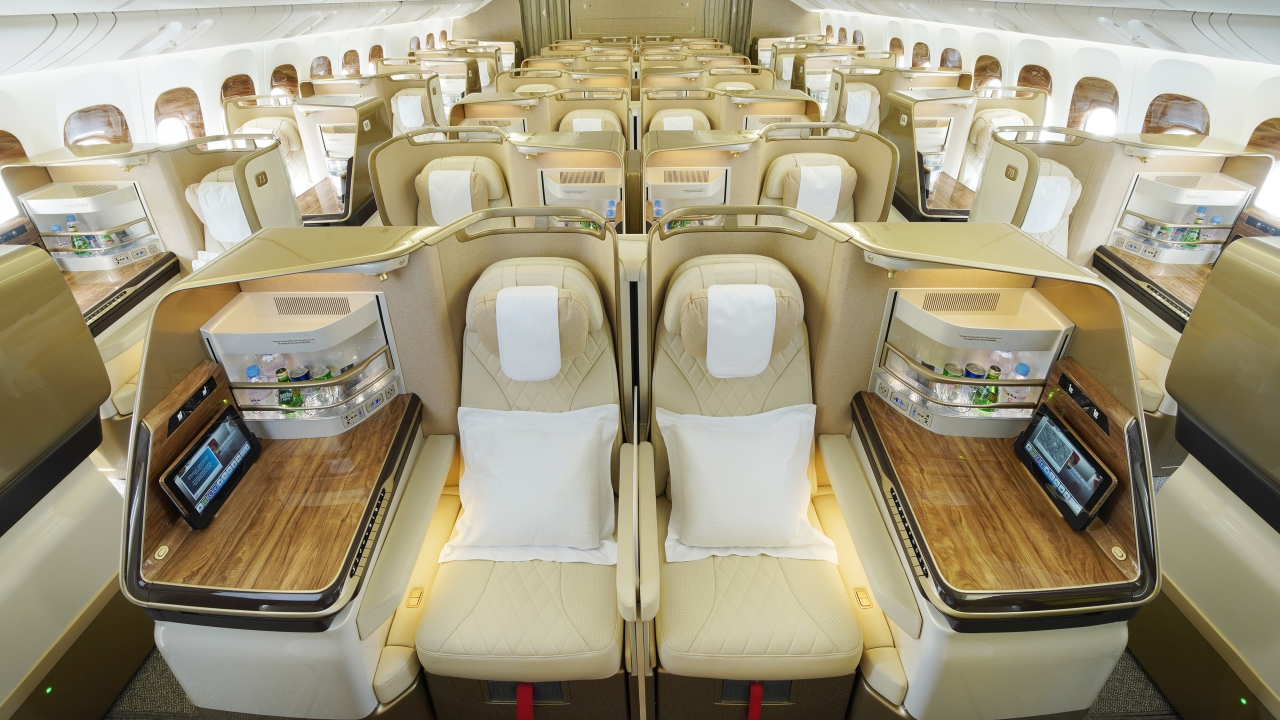
When we talk about advancements in aviation, it's easy to focus on engines, aerodynamics, and fuel efficiency. But for the average traveler, what matters most is what happens inside the cabin. Over the last decade, aircraft interiors have undergone a quiet revolution—focused on elevating passenger comfort, convenience, and wellbeing at 35,000 feet.
At AviatorBlog.info, I’m diving into the innovations that are redefining the passenger experience in the sky and turning flying into a more relaxing and enjoyable journey.
1. Cabin Design: Space, Light, and Air
Modern aircraft interiors are engineered for more than just efficiency—they’re designed to soothe.
-
Wider cabins, like those in the Boeing 787 Dreamliner and Airbus A350, allow for more spacious seating layouts.
-
Larger windows, often electronically dimmable, give passengers a better connection to the sky and reduce jet lag by syncing with natural light cycles.
-
LED mood lighting transitions through color tones that align with different phases of flight—boarding, cruising, and sleeping—to reduce fatigue.
-
Improved cabin pressurization and higher humidity levels (especially in composite-bodied aircraft) greatly enhance passenger comfort on long-haul flights.
The result? A more natural, less stressful flying experience—even in economy class.
2. Seating Innovations: Comfort Meets Ergonomics
Seating has come a long way from stiff cushions and rigid rows. Airlines and manufacturers now invest heavily in seat engineering for every class:
-
Ergonomic seat structures with better lumbar support and customizable recline
-
Slimline seatbacks that preserve legroom without sacrificing padding
-
Adjustable headrests, footrests, and privacy wings for increased relaxation
-
Lie-flat beds in business class with memory foam and personal turndown service
-
Premium economy seats offering a middle ground of comfort and affordability
Smart materials, lighter construction, and modular layouts make these innovations possible without adding weight to the aircraft.
3. Noise Reduction: A Quieter Cabin
Sound matters. Excessive noise leads to fatigue, especially on long flights. New aircraft feature:
-
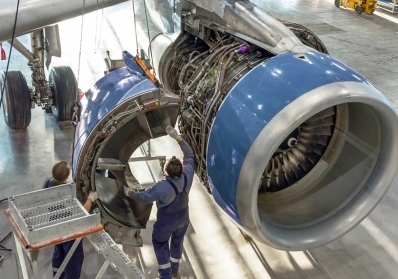
Engine nacelle designs and quieter fans to reduce exterior noise
-
Sound-dampening materials in walls, floors, and ceilings
-
Acoustic insulation zones around premium seats and rest areas
Aircraft like the Boeing 787 are significantly quieter than previous-generation jets, contributing to a calmer in-flight experience.
4. In-Flight Entertainment and Connectivity
Modern passengers expect seamless digital access—and aircraft interiors now reflect that.
-
High-definition personal screens with on-demand entertainment, games, and real-time flight tracking
-
Bluetooth audio connectivity, eliminating the need for airline-provided headsets
-
Wi-Fi and satellite internet access, with some airlines offering full browsing and streaming capabilities
-
Seat-integrated USB and power ports at every seat, even in economy
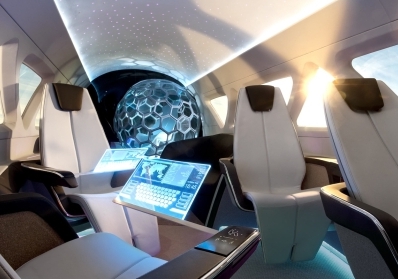
Some next-gen cabins are even exploring AR/VR content and touchless controls for a more immersive experience.
5. Smart Cabins and Digital Customization
With the help of sensors, AI, and cabin management systems, aircraft interiors are becoming increasingly personalized and intelligent.
-
Cabin crew apps allow staff to access passenger preferences in real-time
-
Lighting and climate controls adjust automatically based on cabin activity
-
Touchless lavatories, voice-activated controls, and antimicrobial surfaces enhance hygiene and comfort
-
Modular cabin layouts enable airlines to reconfigure seating, crew rest, and galley areas based on route or demand
These smart interiors improve both passenger satisfaction and operational efficiency.
6. Sustainability Meets Comfort
Modern interiors aim to balance luxury with environmental responsibility:
-
Lightweight materials reduce fuel consumption
-
Eco-friendly textiles and leathers, including recycled or plant-based fabrics
-
Waste-minimizing galleys and recyclable packaging in catering services
Manufacturers are also designing fully recyclable cabins as part of end-of-life sustainability strategies.
The aircraft cabin is no longer just a container for travelers—it's a dynamic environment designed for comfort, productivity, and wellbeing. As an aeronautical engineer, I see interior innovation as a critical piece of the future of aviation, where engineering excellence meets human-centered design.
At AviatorBlog.info, I’ll continue to highlight the technologies and trends that turn long-haul journeys into enjoyable experiences for every kind of passenger.
Latest Articles

Latest Updates in Online Courses and Education.
Aircraft performance is the heartbeat of aviation. It determines how far a plane can fly, how much it can carry,...
Read MoreIn the high-stakes world of aviation, fuel efficiency is more than just a cost-saving strategy—it’s an environmental imperative and a...
Read MoreArtificial intelligence (AI) and automation are no longer distant technologies reserved for science fiction—they’re actively reshaping the aviation industry from...
Read MoreWhen it comes to aircraft design, every gram counts. The materials used to build airplanes directly impact their performance, efficiency,...
Read MoreWhen we think of modern aircraft, our minds often turn to sleek designs, powerful engines, and aerodynamic efficiency. But behind...
Read MoreEvery aircraft soaring through the skies today began as a sketch—an idea born from imagination, purpose, and engineering precision. But...
Read MoreAs global awareness of climate change continues to grow, the aviation industry finds itself at a critical crossroads. While air...
Read MoreFrom the moment the Wright brothers took flight in 1903, aeronautical engineering has been the driving force behind every leap...
Read MoreExploring the Ancient World: Bible History & Archaeology
Uncover the people, places, and events that shaped biblical and ancient history.
Dive into a rich collection of resources on ancient civilizations, biblical archaeology, and historical contexts. From the empires of Babylon and Assyria to the life of Jesus and the early church, discover maps, timelines, commentaries, and scholarly insights that bring the ancient world to life. Explore the intersection of faith, history, and archaeology with our curated articles, maps, and studies.