From Concept to Cockpit: The Journey of Aircraft Design and Development
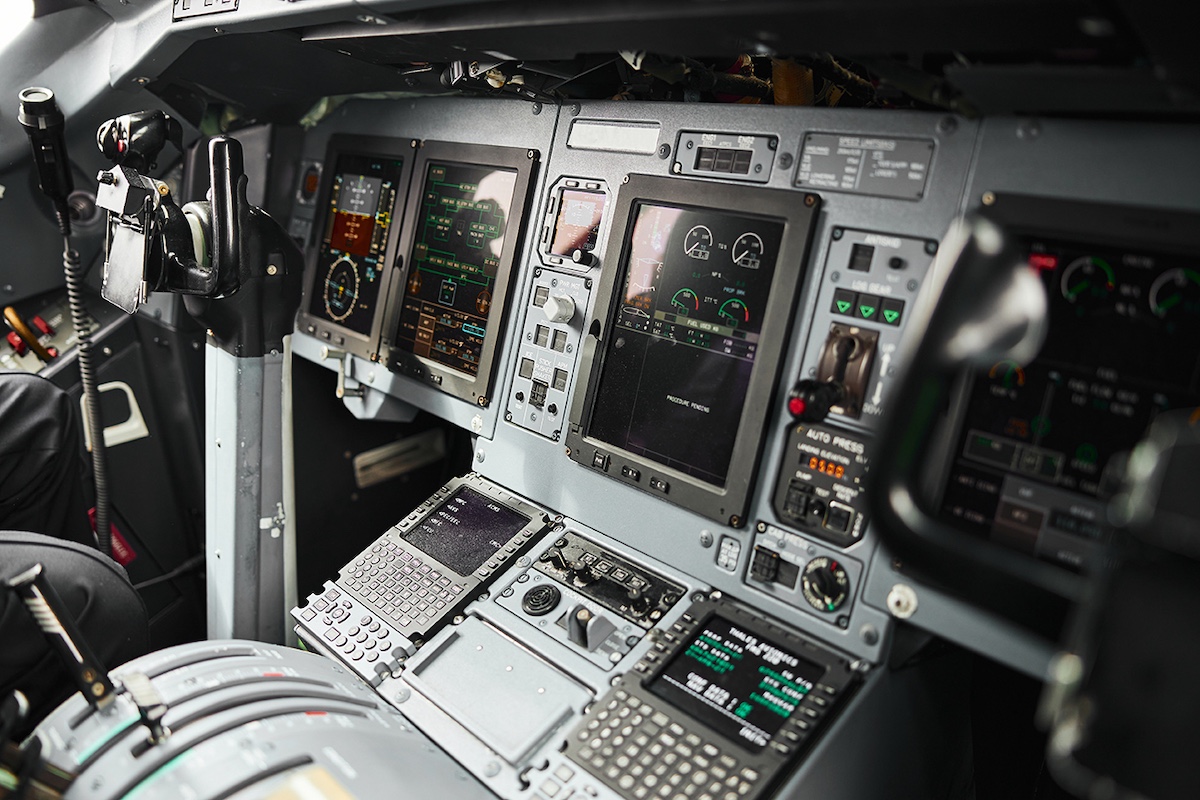
Every aircraft soaring through the skies today began as a sketch—an idea born from imagination, purpose, and engineering precision. But transforming that idea into a fully functional aircraft involves one of the most complex and fascinating processes in engineering: the aircraft design and development cycle.
At AviatorBlog.info, I want to take you behind the scenes and walk you through the key phases of how an aircraft goes from concept to cockpit—a journey that blends creativity, science, and rigorous testing into a technological masterpiece.
1. Conceptual Design: Dreaming with Discipline
The journey begins with defining the aircraft’s mission: Is it a commercial jetliner, a military drone, or an electric air taxi? Engineers and planners analyze requirements such as range, speed, payload, fuel efficiency, and regulatory constraints.
During the conceptual design phase, various configurations are studied—wing shapes, engine placements, fuselage layouts—using computer models, sketches, and simulations. Trade studies are performed to weigh different design choices, aiming for an optimal balance of performance, cost, and manufacturability.
This is where innovation takes flight.
2. Preliminary Design: Engineering the Blueprint
Once a basic configuration is selected, the preliminary design phase begins. Here, aeronautical engineers dive deeper into the aircraft’s core systems:
-
Aerodynamics are refined using CFD (computational fluid dynamics) simulations.
-
Structures are modeled to determine weight, strength, and materials.
-
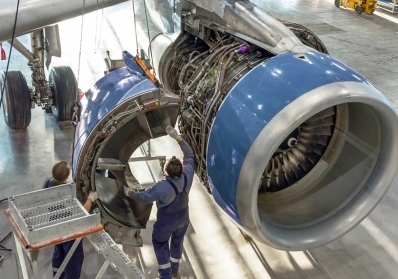
Propulsion systems are matched with performance requirements.
-
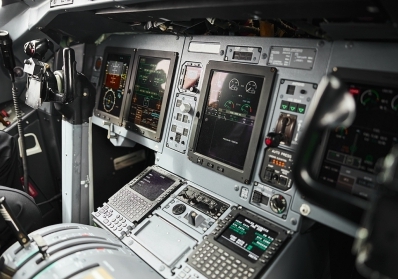
Flight controls, avionics, and safety systems are integrated conceptually.
This stage involves intense cross-disciplinary collaboration. Engineers begin building virtual prototypes, run stress analyses, and prepare for the most challenging stage: proving that the aircraft can actually fly safely and efficiently.
3. Detailed Design: Turning Ideas into Components
The detailed design phase is where ideas become blueprints. Engineers define every bolt, wire, rivet, and surface of the aircraft. CAD (Computer-Aided Design) software and digital mock-ups are used to finalize components down to the millimeter.
This phase also includes:
-
Structural testing models to simulate real-world loads.
-
System integration planning for avionics, hydraulics, and fuel systems.
-
Manufacturing strategies and material sourcing.
Digital twins and virtual assembly tools are often used to anticipate production issues before physical manufacturing begins.
4. Prototyping and Testing: Proving the Design
With the detailed design in hand, manufacturers build the first prototype, often referred to as the first article or test article. This prototype undergoes an exhaustive series of tests to validate its airworthiness:
-
Ground tests for structural load, vibration, and systems functionality.
-
Wind tunnel testing for aerodynamic refinement.
-
Flight testing, where test pilots gather real-world data to assess performance, handling, and safety.
Every finding feeds back into design updates, creating a feedback loop of improvement before the aircraft is cleared for certification.
5. Certification and Production: Ready for the World
Once testing confirms the aircraft meets all regulatory standards—whether from EASA, FAA, or other global authorities—it moves into certification. This is a formal process involving documentation, audits, and demonstrations of compliance.
With certification in hand, the aircraft enters full-scale production. Supply chains are activated, assembly lines come alive, and quality control becomes paramount. At this point, the aircraft is no longer a concept—it’s a product.
6. Delivery and Operation: From Hangar to Runway
After production, aircraft are delivered to customers and enter active service. But the development journey doesn’t end here. Engineers continue to monitor real-world performance, gather operational data, and support ongoing maintenance and upgrades.
In some cases, early design decisions are revisited years later, leading to updated variants, retrofits, or entirely new generations of aircraft.
Designing an aircraft is one of the most collaborative and intellectually demanding engineering feats in the world. It takes years of development, thousands of specialists, and millions of data points to bring a flying machine from idea to implementation.
As an aeronautical engineer, I’m continually inspired by this process—a blend of art, science, and relentless problem-solving. At AviatorBlog.info, I’ll continue exploring each stage of this journey and the innovations driving it forward.
Latest Articles





Latest Updates in Online Courses and Education.
Aircraft performance is the heartbeat of aviation. It determines how far a plane can fly, how much it can carry,...
Read MoreWhen we talk about advancements in aviation, it's easy to focus on engines, aerodynamics, and fuel efficiency. But for the...
Read MoreIn the high-stakes world of aviation, fuel efficiency is more than just a cost-saving strategy—it’s an environmental imperative and a...
Read MoreArtificial intelligence (AI) and automation are no longer distant technologies reserved for science fiction—they’re actively reshaping the aviation industry from...
Read MoreWhen it comes to aircraft design, every gram counts. The materials used to build airplanes directly impact their performance, efficiency,...
Read MoreWhen we think of modern aircraft, our minds often turn to sleek designs, powerful engines, and aerodynamic efficiency. But behind...
Read MoreAs global awareness of climate change continues to grow, the aviation industry finds itself at a critical crossroads. While air...
Read MoreFrom the moment the Wright brothers took flight in 1903, aeronautical engineering has been the driving force behind every leap...
Read MoreExploring the Ancient World: Bible History & Archaeology
Uncover the people, places, and events that shaped biblical and ancient history.
Dive into a rich collection of resources on ancient civilizations, biblical archaeology, and historical contexts. From the empires of Babylon and Assyria to the life of Jesus and the early church, discover maps, timelines, commentaries, and scholarly insights that bring the ancient world to life. Explore the intersection of faith, history, and archaeology with our curated articles, maps, and studies.