Maximizing Efficiency: A Look at the Latest Fuel-Saving Technologies in Aircraft
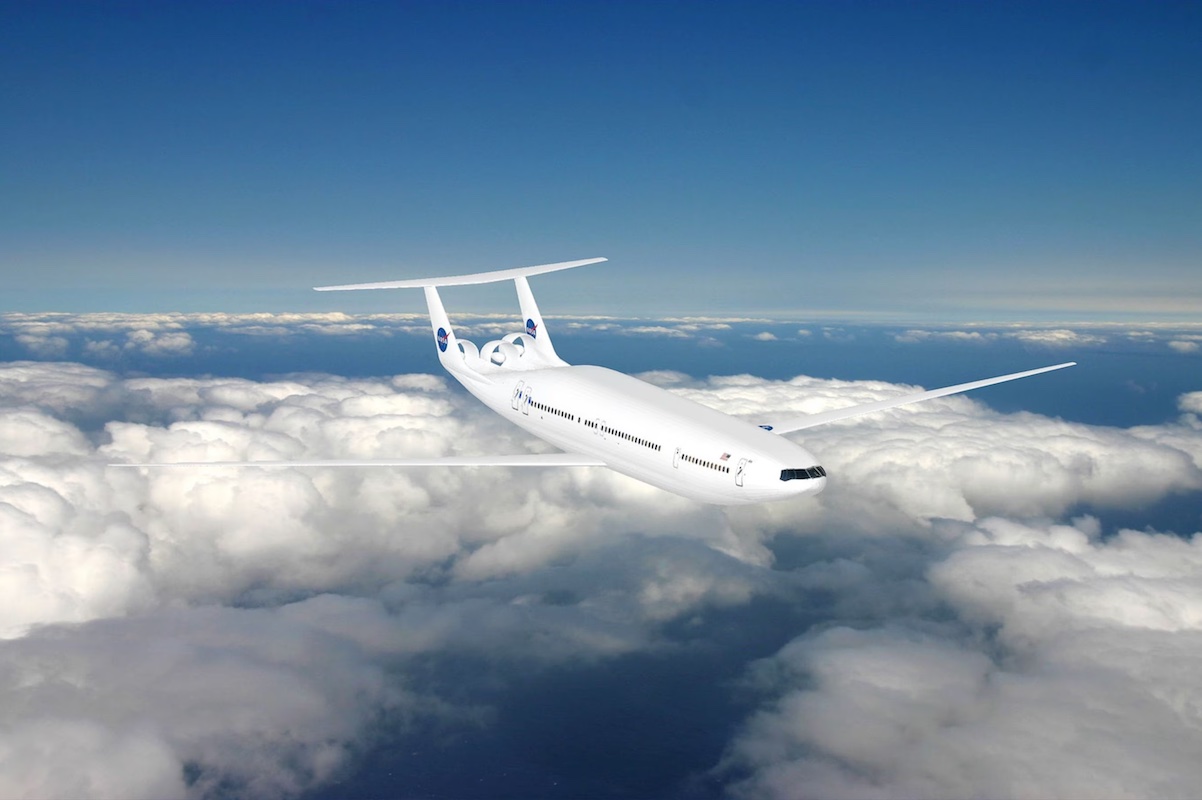
In the high-stakes world of aviation, fuel efficiency is more than just a cost-saving strategy—it’s an environmental imperative and a key performance benchmark. With rising fuel prices, strict emission regulations, and a global push for greener skies, aircraft manufacturers and airlines are investing heavily in fuel-saving innovations.
At AviatorBlog.info, I’m excited to take you through the cutting-edge technologies that are reshaping how aircraft burn less fuel and fly farther, cleaner, and smarter than ever before.
1. Advanced Aerodynamics: Shaping the Future
The shape of an aircraft has a profound effect on drag—and drag is the enemy of efficiency. Modern designs now feature:
-
Sharklet and winglet technology, which reduces vortex drag and improves lift-to-drag ratios.
-
Laminar flow control, where the airflow remains smooth over the wing longer, reducing resistance.
-
High-aspect-ratio wings, like those on the Boeing 787 and Airbus A350, that increase lift while reducing induced drag.
Even minor aerodynamic tweaks can lead to significant fuel savings over thousands of flight hours.
2. Next-Generation Engines
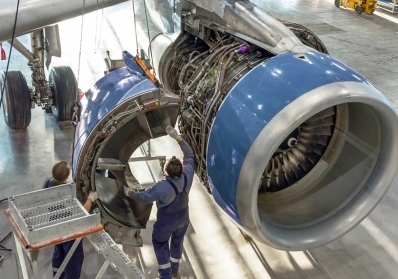
Engines have seen dramatic improvements in both power and efficiency. The latest turbofan engines, such as:
-
Pratt & Whitney’s Geared Turbofan (GTF) and
-
CFM International’s LEAP engine
offer double-digit reductions in fuel burn compared to older models.
Key engine innovations include:
-
Higher bypass ratios for more efficient thrust
-
Advanced turbine blade materials that withstand higher temperatures
-
Noise-reducing fan designs that also improve performance
The result: less fuel used, lower emissions, and quieter operations.
3. Lightweight Materials
Every kilogram saved on an aircraft translates directly into reduced fuel consumption. Modern aircraft increasingly rely on:
-
Carbon fiber-reinforced polymers (CFRPs) used in fuselages, wings, and control surfaces
-
Titanium alloys for strength-critical, corrosion-resistant components
-
Advanced aluminum-lithium alloys that balance strength, cost, and weight
The Boeing 787, for example, is made of approximately 50% composite materials, contributing to a 20% reduction in fuel use compared to older aircraft in its class.
4. Hybrid and Electric Propulsion (On the Horizon)
While full electric flight for large commercial jets is still years away, hybrid-electric systems are already under development and testing. These aim to:
-
Use electric motors for auxiliary functions or short takeoff bursts
-
Reduce reliance on traditional engines during lower-power flight phases
-
Improve overall propulsion system efficiency
Companies like Airbus, Rolls-Royce, and NASA are actively exploring hybrid concepts that could become standard in regional aircraft within the next decade.
5. Operational Efficiency and AI Optimization
Not all fuel-saving technologies are hardware-based. AI and data analytics now enable airlines to:
-
Optimize flight paths in real-time to avoid weather or congestion
-
Calculate ideal cruising altitudes for varying payload and conditions
-
Use single-engine taxiing and optimized takeoff thrust settings
Even small gains per flight can add up to millions in fuel savings across an airline’s fleet annually.
6. Sustainable Aviation Fuel (SAF)
Fuel-saving isn’t only about using less—it’s about using better. Sustainable Aviation Fuel (SAF) is derived from renewable sources like used cooking oil, algae, or waste biomass. It can:
-
Reduce lifecycle CO₂ emissions by up to 80%
-
Be blended with conventional jet fuel without modification to engines
-
Support net-zero aviation goals
While still costly and limited in supply, SAF is gaining traction, with increasing support from governments, airports, and aircraft manufacturers.
The pursuit of fuel efficiency in aviation is a dynamic challenge—one that brings together engineering, technology, and sustainability. From the curvature of a wing to the algorithms guiding a flight path, every detail matters.
As an aeronautical engineer, I believe these innovations not only improve performance but also help secure a cleaner, more responsible future for air travel. At AviatorBlog.info, I’ll continue covering the technologies that make every drop of fuel go further.
Latest Articles




Latest Updates in Online Courses and Education.
Aircraft performance is the heartbeat of aviation. It determines how far a plane can fly, how much it can carry,...
Read MoreWhen we talk about advancements in aviation, it's easy to focus on engines, aerodynamics, and fuel efficiency. But for the...
Read MoreArtificial intelligence (AI) and automation are no longer distant technologies reserved for science fiction—they’re actively reshaping the aviation industry from...
Read MoreWhen it comes to aircraft design, every gram counts. The materials used to build airplanes directly impact their performance, efficiency,...
Read MoreWhen we think of modern aircraft, our minds often turn to sleek designs, powerful engines, and aerodynamic efficiency. But behind...
Read MoreEvery aircraft soaring through the skies today began as a sketch—an idea born from imagination, purpose, and engineering precision. But...
Read MoreAs global awareness of climate change continues to grow, the aviation industry finds itself at a critical crossroads. While air...
Read MoreFrom the moment the Wright brothers took flight in 1903, aeronautical engineering has been the driving force behind every leap...
Read MoreExploring the Ancient World: Bible History & Archaeology
Uncover the people, places, and events that shaped biblical and ancient history.
Dive into a rich collection of resources on ancient civilizations, biblical archaeology, and historical contexts. From the empires of Babylon and Assyria to the life of Jesus and the early church, discover maps, timelines, commentaries, and scholarly insights that bring the ancient world to life. Explore the intersection of faith, history, and archaeology with our curated articles, maps, and studies.