The Future of Aircraft Interiors: Cutting-Edge Trends in Passenger Comfort
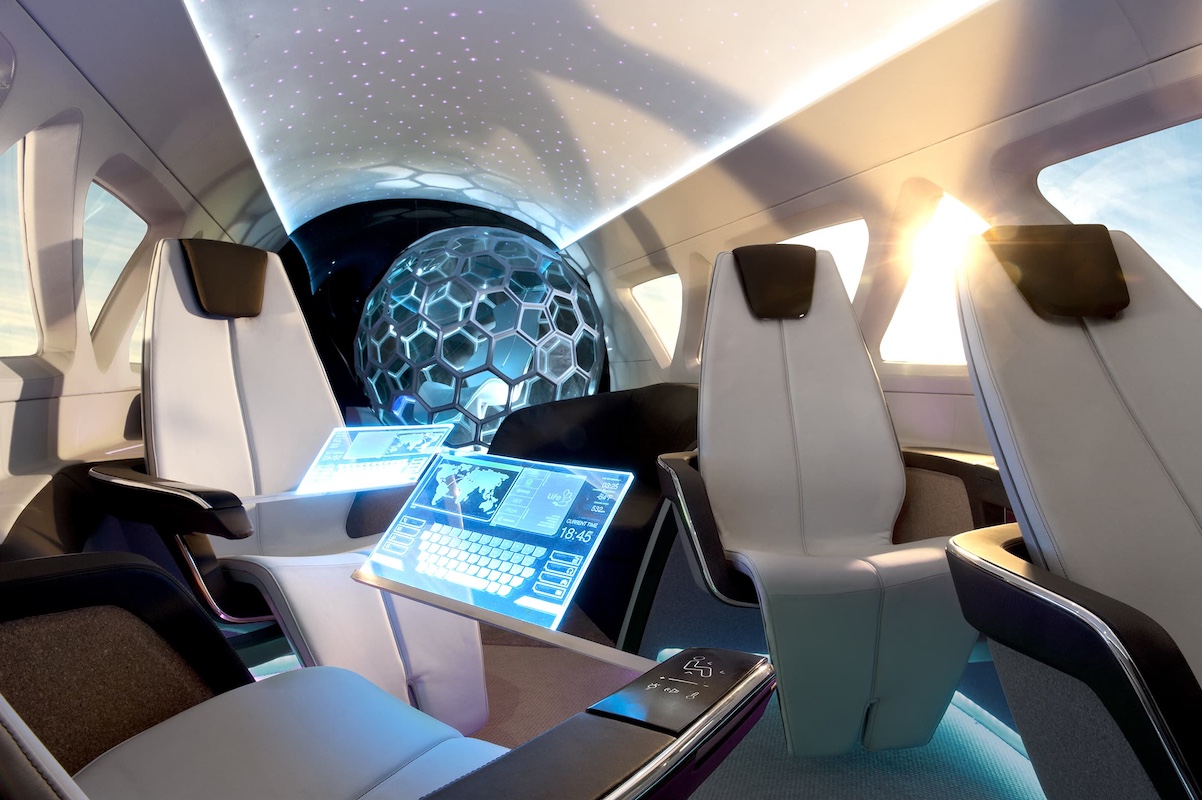
In the rapidly evolving world of aviation, one area that is seeing remarkable innovation is the aircraft interior. While aerodynamics and propulsion systems often steal the spotlight, the cabin—where passengers spend the majority of their flight—is undergoing a technological revolution aimed at improving comfort, functionality, and efficiency. As air travel continues to rebound and competition between airlines intensifies, cabin design is becoming a strategic focal point for both differentiation and passenger satisfaction.
Here’s a look at some of the most exciting trends shaping the future of aircraft interiors:
1. Smart Cabins and Digital Integration
The next generation of aircraft interiors will be highly digitalized. Imagine cabins that can adjust lighting, temperature, and even seat ergonomics based on passenger preferences or biometric data. Companies like Airbus with their "Airspace Cabin" and Boeing with advanced digital ecosystems are leading the charge, integrating IoT (Internet of Things) technology to create intelligent cabins.
Passengers may soon interact with their seats through personal devices, customize in-flight entertainment through voice commands, or receive real-time updates via smart displays embedded in cabin surfaces.
2. Lightweight Materials and Sustainable Design
Sustainability is not just a buzzword—it's a design imperative. Aircraft interior manufacturers are developing ultra-lightweight yet durable materials to reduce overall aircraft weight, cutting fuel consumption and emissions. Recyclable composites, 3D-printed components, and plant-based or reclaimed materials are being used to craft seats, sidewalls, and panels.
Moreover, modular cabin designs allow for easier reconfiguration and repair, extending component lifecycles and reducing waste.
3. Next-Level Seating Innovations
Economy class is no longer being left behind. From ergonomic seat structures and improved lumbar support to ultra-slim seatbacks that maximize legroom, seating design is progressing quickly. High-density seating layouts are being optimized not just for capacity but for passenger well-being.
In premium cabins, lie-flat seating is evolving into private suites with sliding doors, customizable lighting, and built-in massage systems. Expect to see more airline-branded luxury, where passengers can personalize their inflight experience like never before.
4. Cabin Air Quality and Hygiene Technologies
COVID-19 accelerated investment in cabin health and hygiene. Advanced HEPA filtration systems are now standard, but the future goes further—introducing antimicrobial materials, touchless lavatories, and UV-light disinfection systems built into the cabin infrastructure.
Airlines are also exploring humidity control systems and circadian lighting to reduce jet lag, improve sleep quality, and support passenger health during long-haul travel.
5. Panoramic Windows and Immersive Experiences
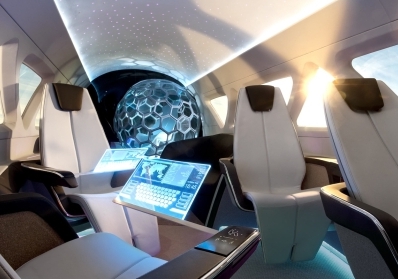
One of the most visually stunning innovations is the rise of larger, panoramic windows and even virtual windows in interior cabins. These provide a stronger connection to the outside world, enhance the feeling of space, and can be used to display tailored content such as maps, starry skies, or ambient scenes.
Combined with ambient lighting and 360-degree sound design, these features transform the cabin into an immersive, almost cinematic experience.
Final Thoughts
As an aeronautical engineer, it’s thrilling to witness how advanced technology, human-centric design, and sustainability are converging to redefine the passenger experience. Aircraft interiors are no longer just about space efficiency—they’re about creating intelligent, adaptable, and comfortable environments that reflect the evolving expectations of modern travelers.
At AviatorBlog.info, we’ll continue to track these developments and explore how engineers, designers, and airlines are shaping the cabins of tomorrow.
Stay tuned for more updates from the cutting edge of aerospace interior innovation!
Latest Articles

Latest Updates in Online Courses and Education.
Aircraft performance is the heartbeat of aviation. It determines how far a plane can fly, how much it can carry,...
Read MoreWhen we talk about advancements in aviation, it's easy to focus on engines, aerodynamics, and fuel efficiency. But for the...
Read MoreIn the high-stakes world of aviation, fuel efficiency is more than just a cost-saving strategy—it’s an environmental imperative and a...
Read MoreArtificial intelligence (AI) and automation are no longer distant technologies reserved for science fiction—they’re actively reshaping the aviation industry from...
Read MoreWhen it comes to aircraft design, every gram counts. The materials used to build airplanes directly impact their performance, efficiency,...
Read MoreWhen we think of modern aircraft, our minds often turn to sleek designs, powerful engines, and aerodynamic efficiency. But behind...
Read MoreEvery aircraft soaring through the skies today began as a sketch—an idea born from imagination, purpose, and engineering precision. But...
Read MoreAs global awareness of climate change continues to grow, the aviation industry finds itself at a critical crossroads. While air...
Read MoreExploring the Ancient World: Bible History & Archaeology
Uncover the people, places, and events that shaped biblical and ancient history.
Dive into a rich collection of resources on ancient civilizations, biblical archaeology, and historical contexts. From the empires of Babylon and Assyria to the life of Jesus and the early church, discover maps, timelines, commentaries, and scholarly insights that bring the ancient world to life. Explore the intersection of faith, history, and archaeology with our curated articles, maps, and studies.