How Aeronautical Engineering is Shaping the Next Generation of Airplanes
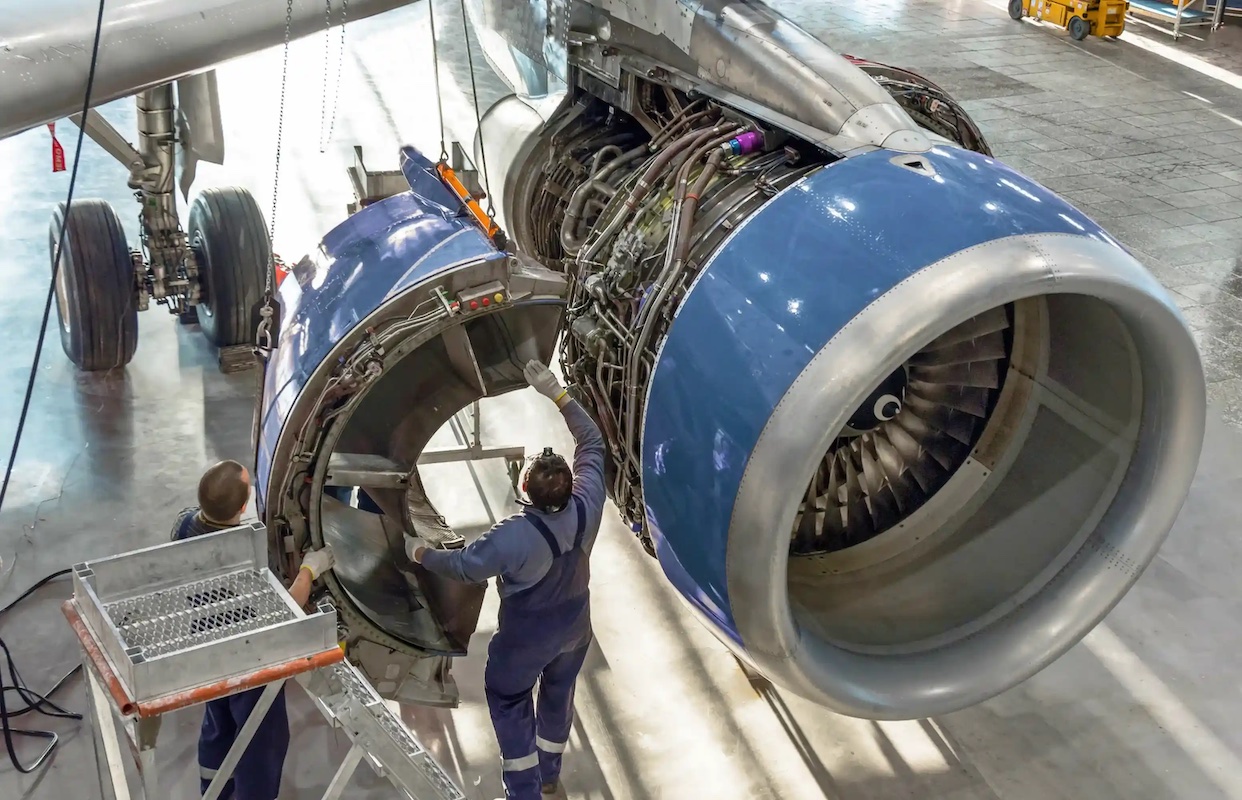
From the moment the Wright brothers took flight in 1903, aeronautical engineering has been the driving force behind every leap in aviation. Today, as the industry faces unprecedented challenges and bold new ambitions, aeronautical engineering is once again at the forefront—designing the next generation of aircraft that are smarter, greener, and more capable than ever before.
At AviatorBlog.info, I’m excited to explore how engineering breakthroughs are setting the course for the future of flight.
1. Sustainable Propulsion: Toward Zero Emissions
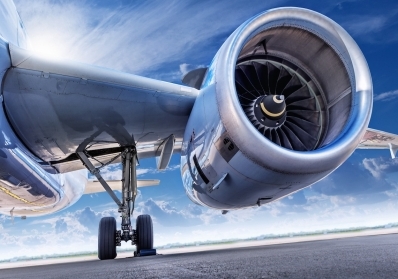
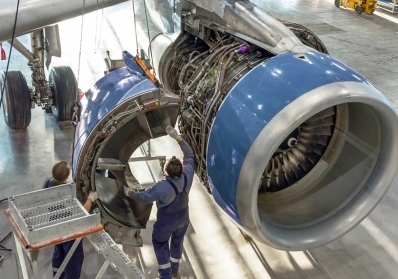
One of the most transformative areas in modern aircraft design is the development of sustainable propulsion systems. Engineers are working to replace traditional jet engines with hybrid-electric, fully electric, and even hydrogen-powered alternatives.
Airbus’s ZEROe concept aircraft and startups like ZeroAvia are exploring hydrogen combustion and fuel cell systems. Meanwhile, companies such as Rolls-Royce and GE are developing high-efficiency electric engines aimed at short- to medium-range commercial flights.
These technologies could drastically reduce aviation's carbon footprint and usher in a new era of environmentally responsible air travel.
2. Advanced Aerodynamics and Materials
Next-generation aircraft are being designed with ultra-efficient aerodynamic profiles, including high-aspect ratio wings, blended wing-body configurations, and active flow control systems that reduce drag and optimize lift.
In tandem, next-gen composite materials—such as carbon nanotube-reinforced polymers and self-healing laminates—are making airframes lighter, stronger, and more resistant to fatigue. These innovations improve fuel efficiency, extend service life, and reduce maintenance downtime.
3. Autonomous and AI-Driven Systems
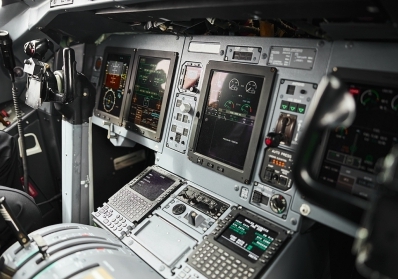
Automation is reshaping the cockpit and beyond. With the integration of artificial intelligence, machine learning, and advanced avionics, the future of piloting is trending toward greater autonomy.
From autonomous taxiing to flight path optimization in real time, AI-driven systems are enhancing safety, reducing pilot workload, and increasing operational efficiency. Research in autonomous cargo aircraft and single-pilot airliner operations is already underway, signaling a major shift in how aircraft are flown.
4. Urban Air Mobility (UAM) and eVTOLs
Aeronautical engineers are also pioneering the rise of Urban Air Mobility, where electric vertical takeoff and landing (eVTOL) aircraft are set to redefine short-range transport. Companies like Joby Aviation, Lilium, and Vertical Aerospace are designing compact, quiet, and emission-free aircraft to serve as flying taxis in urban environments.
These futuristic vehicles demand entirely new approaches to stability, control, battery integration, and air traffic management—challenges that aeronautical engineers are solving today.
5. Digital Twins and Simulation Technology
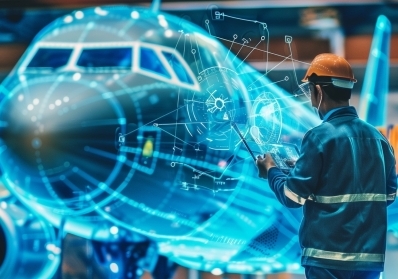
The integration of digital twin technology—virtual replicas of real-world aircraft systems—has revolutionized how aircraft are designed, tested, and maintained. Engineers can simulate every aspect of an aircraft’s lifecycle, from structural stress to aerodynamic performance, without ever building a physical prototype.
This digital-first approach reduces development time, enhances reliability, and lowers costs—all while enabling more innovative and ambitious designs.
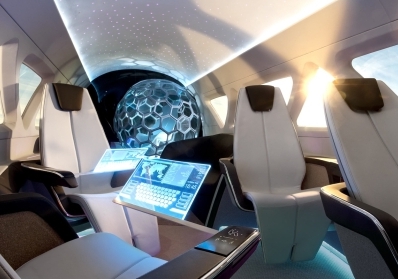
As an aeronautical engineer, I can confidently say that we are living in one of the most exciting periods in aviation history. The convergence of sustainability, digital innovation, and new aircraft architectures is redefining what it means to fly.
From cleaner propulsion to futuristic flying taxis, the airplanes of tomorrow are already taking shape today—and they’re being built by the hands and minds of engineers dedicated to pushing the boundaries of what’s possible.
At AviatorBlog.info, I’ll continue to bring you deep dives into these groundbreaking technologies and explore how they’re transforming our skies.
Latest Articles

Latest Updates in Online Courses and Education.
Aircraft performance is the heartbeat of aviation. It determines how far a plane can fly, how much it can carry,...
Read MoreWhen we talk about advancements in aviation, it's easy to focus on engines, aerodynamics, and fuel efficiency. But for the...
Read MoreIn the high-stakes world of aviation, fuel efficiency is more than just a cost-saving strategy—it’s an environmental imperative and a...
Read MoreArtificial intelligence (AI) and automation are no longer distant technologies reserved for science fiction—they’re actively reshaping the aviation industry from...
Read MoreWhen it comes to aircraft design, every gram counts. The materials used to build airplanes directly impact their performance, efficiency,...
Read MoreWhen we think of modern aircraft, our minds often turn to sleek designs, powerful engines, and aerodynamic efficiency. But behind...
Read MoreEvery aircraft soaring through the skies today began as a sketch—an idea born from imagination, purpose, and engineering precision. But...
Read MoreAs global awareness of climate change continues to grow, the aviation industry finds itself at a critical crossroads. While air...
Read MoreExploring the Ancient World: Bible History & Archaeology
Uncover the people, places, and events that shaped biblical and ancient history.
Dive into a rich collection of resources on ancient civilizations, biblical archaeology, and historical contexts. From the empires of Babylon and Assyria to the life of Jesus and the early church, discover maps, timelines, commentaries, and scholarly insights that bring the ancient world to life. Explore the intersection of faith, history, and archaeology with our curated articles, maps, and studies.