How AI and Automation Are Transforming the Aviation Industry
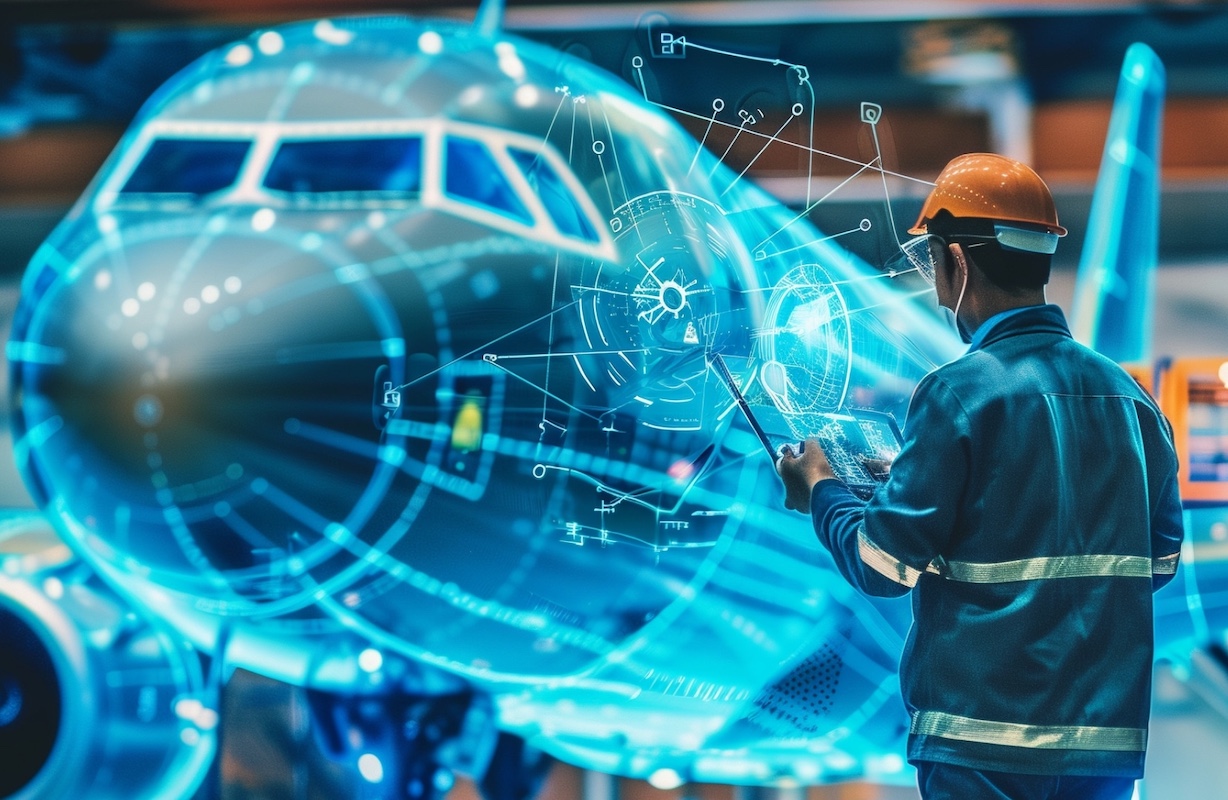
Artificial intelligence (AI) and automation are no longer distant technologies reserved for science fiction—they’re actively reshaping the aviation industry from the ground up. From smarter cockpits to predictive maintenance, AI is accelerating efficiency, enhancing safety, and redefining the future of air travel.
At AviatorBlog.info, we explore not just the mechanics of flight, but the intelligence behind it. Let’s dive into how AI and automation are revolutionizing aviation in ways both seen and unseen.
1. Smarter Flight Operations and Autonomous Systems
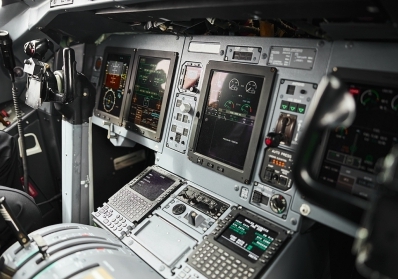
Modern cockpits are increasingly integrating AI to assist pilots in real-time decision-making. With advanced flight management systems (FMS), AI can optimize flight paths for fuel efficiency, weather avoidance, and air traffic coordination.
Some of the latest innovations include:
-
Autonomous taxiing and takeoff systems
-
AI copilots that assist with navigation, checklists, and emergency response
-
Single-pilot operations, enabled by automation and remote oversight
Startups and aerospace giants alike are working on fully autonomous aircraft for cargo and short-haul passenger routes—laying the groundwork for the next phase of air travel.
2. Predictive Maintenance and Digital Twins
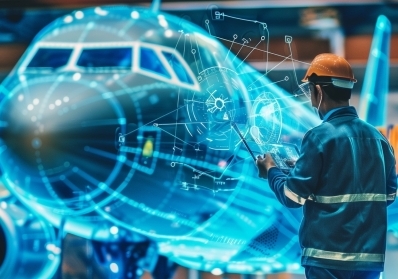
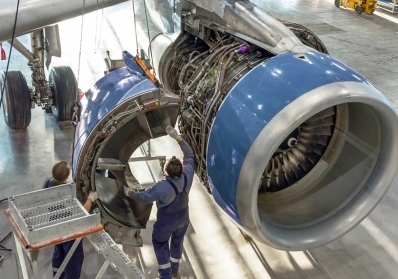
AI is transforming aircraft maintenance from reactive to predictive. By analyzing real-time sensor data and historical trends, AI-powered systems can identify potential failures before they happen.
Key tools include:
-
Predictive analytics for components like engines, hydraulics, and avionics
-
Digital twins, or virtual replicas of aircraft systems, that simulate performance and wear
-
Automated maintenance scheduling to reduce downtime and costs
The result? Increased aircraft availability, reduced operational disruptions, and enhanced safety margins.
3. Air Traffic Management Gets Smarter
Managing today’s crowded airspace is a complex and manual process. AI is bringing intelligence to air traffic control (ATC) by enabling:
-
Dynamic routing for more efficient and eco-friendly paths
-
Conflict detection and resolution using predictive algorithms
-
Automation of routine communications between aircraft and controllers
In the long term, AI will play a key role in managing urban air mobility (UAM) and drone traffic, which will require highly automated and adaptive airspace management systems.
4. Passenger Experience: AI Behind the Scenes
AI is also improving the passenger journey in subtle but powerful ways. Airlines are using automation to:
-
Personalize booking and in-flight services
-
Optimize boarding processes
-
Predict and mitigate delays
-
Enhance baggage tracking and customer service through chatbots
In the cabin, AI systems monitor cabin conditions, passenger preferences, and energy use—making each flight smoother and more responsive.
5. Safety and Decision Support
One of AI’s most important roles in aviation is improving safety. Machine learning algorithms can:
-
Detect anomalies in aircraft behavior or sensor data
-
Assist in real-time decision-making during emergencies
-
Support pilot training with adaptive simulators and scenario planning
As AI evolves, it will act more like a copilot, offering insight, warning, and assistance when it’s needed most—without removing human oversight where it matters.
6. Challenges and Considerations
Despite the promise, the integration of AI and automation must address key concerns:
-
Regulatory certification: Ensuring AI systems meet rigorous aviation standards
-
Cybersecurity: Protecting automated systems from interference or attack
-
Trust and transparency: Ensuring pilots and operators understand and trust AI decisions
-
Human factors: Maintaining skills and readiness in highly automated environments
These challenges are active areas of research and collaboration between engineers, regulators, and technology developers.
AI and automation aren’t replacing humans in aviation—they’re empowering us to fly smarter, safer, and more sustainably. As an aeronautical engineer, I see these technologies as essential tools that enhance—not diminish—the role of human expertise in flight.
At AviatorBlog.info, I’ll continue covering how intelligent systems are reshaping the sky—from cockpit to control tower and everywhere in between.
Latest Articles

Latest Updates in Online Courses and Education.
Aircraft performance is the heartbeat of aviation. It determines how far a plane can fly, how much it can carry,...
Read MoreWhen we talk about advancements in aviation, it's easy to focus on engines, aerodynamics, and fuel efficiency. But for the...
Read MoreIn the high-stakes world of aviation, fuel efficiency is more than just a cost-saving strategy—it’s an environmental imperative and a...
Read MoreWhen it comes to aircraft design, every gram counts. The materials used to build airplanes directly impact their performance, efficiency,...
Read MoreWhen we think of modern aircraft, our minds often turn to sleek designs, powerful engines, and aerodynamic efficiency. But behind...
Read MoreEvery aircraft soaring through the skies today began as a sketch—an idea born from imagination, purpose, and engineering precision. But...
Read MoreAs global awareness of climate change continues to grow, the aviation industry finds itself at a critical crossroads. While air...
Read MoreFrom the moment the Wright brothers took flight in 1903, aeronautical engineering has been the driving force behind every leap...
Read MoreExploring the Ancient World: Bible History & Archaeology
Uncover the people, places, and events that shaped biblical and ancient history.
Dive into a rich collection of resources on ancient civilizations, biblical archaeology, and historical contexts. From the empires of Babylon and Assyria to the life of Jesus and the early church, discover maps, timelines, commentaries, and scholarly insights that bring the ancient world to life. Explore the intersection of faith, history, and archaeology with our curated articles, maps, and studies.